



What is CBN? All About “the Sleepy Cannabinoid”
If you've been paying attention to the cannabis and hemp wellness conversation over the last few years, you've probably noticed that CBN—cannabinol—is popping up everywhere, especially in products formulated for sleep. Once an overlooked, hard-to-extract minor cannabinoid, CBN has stepped into the spotlight thanks to fresh clinical research, a wave of CBN + CBD sleep products from trusted national brands, and an emerging reputation as an effective, non-intoxicating alternative to melatonin and other sleep aids.
This guide is meant to give you a complete, research-grounded introduction to CBN: what it is and where it comes from, what it actually does in the body, the latest peer-reviewed evidence on its effects, potential side effects to be aware of, how to use it, and three of the best CBN-containing sleep products available right now.
What Is CBN?
Interestingly, CBN is known as a “minor” cannabinoid, in part because of unusual circumstances surrounding its discovery. CBN was the first phytocannabinoid to be isolated from hashish in the late 19th century, but confusion around nomenclature and the nature of the plant material used for extraction—plus its limited availability and the subsequent discovery of other phytocannabinoids—overshadowed its discovery and drew attention away from it.
CBN, short for cannabinol, is a minor cannabinoid produced naturally in the cannabis plant — but not in the way most other cannabinoids are. While compounds like CBD, CBG, and THC are formed during the plant's growth cycle, CBN occurs through a process known as degradation. Specifically, when THC is exposed to oxygen, heat, or ultraviolet light over time, it gradually oxidizes and loses hydrogen atoms from its molecular structure, transforming into CBN.
That's why CBN is sometimes called the "aged cannabinoid": fresh, freshly harvested cannabis flower contains essentially no CBN, while older or improperly stored cannabis tends to accumulate it. Historically, this is also why CBN was considered an "artifact" rather than a feature—it was the marker of cannabis that had been sitting around too long. But today, growers and manufacturers intentionally cultivate or convert hemp to produce CBN for use in wellness products.
CBN is sometimes described as mildly psychoactive, but the practical reality is that at typical commercial doses (10 to 50 mg), it doesn't produce the kind of high associated with THC. Relative to THC, CBN has been estimated to have roughly one-quarter the intoxicating potency, and at the doses found in legal, hemp-derived sleep products, the effect most users notice is sedation rather than euphoria.
Like CBD and CBG, CBN derived from hemp containing less than 0.3% THC by dry weight is federally legal in the United States under the 2018 Farm Bill, though state laws vary.
What Does CBN Do?
CBN's reputation as the "sleepy cannabinoid" has earned it a permanent place on nightstands across the country, but the science behind that reputation is more nuanced and interesting than the marketing might suggest.
CBN interacts with the body's endocannabinoid system (ECS) by activating both CB1 and CB2 receptors (concentrated in immune cells). What's distinctive about CBN's receptor profile is that it binds more strongly to CB2 receptors than CB1. As a result, CBN is significantly less intoxicating than THC.
Beyond direct receptor binding, recent research has identified another important piece of the puzzle. CBN itself appears to have relatively limited pharmacological activity, but it is metabolized in the liver into compounds that have substantially stronger activity at CB1 receptors than CBN itself. In other words: at least part of what we attribute to CBN may actually be the work of its active metabolites. According to one study published in the Journal of Medicinal Chemistry, “CBN and CBN-11-OH elevate intracellular Ca2+ levels in dorsal root ganglia sensory neurons─an effect linked to potential pain relief.”
CBN is currently being investigated for non-sleep effects, including anti-inflammatory activity, neuroprotective effects (it has been studied in models of amyotrophic lateral sclerosis (ALS) and other neurodegenerative conditions), mild appetite stimulation, and antibacterial properties, including activity against antibiotic-resistant Staphylococcus aureus (MRSA). These effects are largely preclinical at this stage, but they're shaping the next wave of CBN research.
For the typical wellness consumer, though, the headline use case remains the same: CBN is used primarily for sleep support, often in combination with CBD, melatonin, or terpenes like myrcene that have their own sedative properties.
CBN vs. CBD vs. THC: How to Tell Them Apart
Because CBN sits at the intersection of CBD and THC, it can be confusing to know how it fits into the cannabinoid landscape. Here's a clean comparison.
CBD (cannabidiol) is non-intoxicating, has indirect interactions with CB1 and CB2 receptors, and works through multiple non-cannabinoid systems (related to serotonin, GABA-A, adenosine receptors, and more). It's the most-researched cannabinoid for general wellness, anxiety, and pain.
CBN (cannabinol) is mildly psychoactive at very high doses but functionally non-intoxicating at typical sleep-product doses. It binds directly to CB1 and CB2 receptors (with preference for CB2) and is most associated with sleep support. It also produces active metabolites that contribute to its effects.
THC (tetrahydrocannabinol) is strongly psychoactive, binds with high affinity to CB1 receptors in the brain, and is responsible for the cannabis "high." THC is federally regulated and is only legal in hemp-derived products at concentrations of 0.3% or less by dry weight.
The relationship between them is interesting: THC eventually degrades into CBN over time, and CBD is produced through a completely separate biosynthetic pathway in the plant. All three can interact with the endocannabinoid system, but the effects you experience from each are noticeably different.
The Latest Research on CBN
CBN research has accelerated dramatically over the past two years. Here’s the latest and greatest in CBN studies:
The biggest recent development is a November 2024 study published in Neuropsychopharmacology (a Nature journal). The study was the first to demonstrate, using objective measures of sleep architecture in rats, that CBN meaningfully increases both non-rapid eye movement (NREM) and rapid eye movement (REM) sleep. The study also showed that CBN's active metabolites contribute significantly to its sedative effects. This was a foundational piece of work because, for years, CBN's sleep-supporting reputation rested heavily on anecdotal reports.
A parallel large-scale, double-blind, randomized, placebo-controlled human trial conducted by FloraWorks examined the effects of TruCBN against placebo and against 4 mg of melatonin in over 1,000 participants aged 21 or older across the United States. The 50 mg CBN group showed significant improvements in sleep quality compared to placebo. All side effects were mild or moderate.
Beyond sleep, smaller bodies of preclinical research support CBN's potential anti-inflammatory and neuroprotective effects, with studies investigating its potential in models of amyotrophic lateral sclerosis (ALS), Parkinson's disease, and inflammatory skin conditions.
The honest summary: CBN now has its first rigorous objective sleep evidence (the 2024 study), a large placebo-controlled human trial favoring 50 mg CBN over 4 mg melatonin, and additional ongoing trials. It's no longer "promising but unstudied"—it's promising and being actively studied, with the evidence base finally catching up to the anecdotes.
Who Might Benefit From CBN?
CBN isn't right for everyone, but several specific groups tend to find it especially useful.
People who fall asleep without trouble but wake up in the middle of the night are among the most common CBN users. The longer half-life of CBN compared to melatonin tends to make it a better fit for sleep maintenance than for initial sleep onset alone.
People who have tried melatonin and found it either ineffective or left them feeling groggy the next morning often respond better to CBN, especially in combination with CBD or in lower-dose formulations.
People dealing with pain-related or stress-related insomnia may benefit from CBN + CBD combination products, where CBD's anxiolytic and analgesic effects address the underlying cause while CBN supports the actual sleep response.
People who want a non-intoxicating, drug-free alternative to prescription sleep medications like benzodiazepines, "Z-drugs" (zolpidem, eszopiclone), or trazodone often see CBN as a lower-risk daily option, particularly for occasional use.
CBN is less appropriate for: people who need to be alert immediately upon waking (some users do experience next-day grogginess at higher doses), people subject to drug testing (more on this below), and people taking sedatives or blood thinners who haven't checked with their prescriber.
Potential CBN Side Effects
CBN has a relatively clean safety profile, especially at the doses found in commercial wellness products, but there are a few effects to be aware of.
Drowsiness is the most common and usually the most desired effect. Because CBN is used for sleep, this is typically a feature rather than a bug. The flip side is that CBN is not appropriate for daytime use or before driving, operating heavy machinery, or doing anything else that requires alertness.
Dry mouth ("cottonmouth") is a common minor side effect of most cannabinoids and CBN is no exception.
Dizziness or grogginess, especially at higher doses or in people who are particularly sensitive to cannabinoids. Starting low and working up addresses this for most people.
Mild changes in appetite—usually a small increase in hunger. This is generally less pronounced with CBN than with THC.
Next-day grogginess, sometimes called a "cannabis hangover," can occur at higher doses or when CBN is combined with other sedatives. Lowering the dose typically resolves it.
Medication interactions are worth taking seriously. CBN is metabolized by the liver's CYP450 enzymes, the same pathway that processes many prescription drugs, including blood thinners, benzodiazepines, certain antidepressants, and other sedatives. CBN can theoretically enhance the effects of other sedatives, which is a particular concern for older adults or anyone on prescription sleep medication. Always check with your doctor or pharmacist before starting CBN if you take prescription medication.
Allergic reactions are rare but possible. Symptoms include rash, itching, or swelling.
CBN does not appear to carry meaningful dependency, withdrawal, or overdose risks based on currently available data, though long-term safety data is still maturing.
Will CBN Show Up on a Drug Test?
This is one of the most-asked CBN questions, and the honest answer is: it can.
Standard workplace drug tests look for THC and its metabolites, not CBN directly. However, two issues create real risk for CBN users who are drug-tested:
First, because CBN is derived from THC oxidation (or formulated alongside it in full-spectrum hemp products), many commercial CBN products contain trace THC. With regular daily use at higher doses, that trace THC can accumulate enough in your system to trigger a positive result on a workplace test.
Second, CBN is structurally similar to THC, and some drug tests can produce cross-reactivity with CBN, meaning the test reads CBN as if it were a THC metabolite. This can result in false positives even from a THC-free, broad-spectrum CBN product.
If drug testing is a concern, choose THC-free, broad-spectrum or isolate CBN products with a current Certificate of Analysis (COA) confirming non-detectable THC content. Avoid full-spectrum CBN products that contain the legal trace amount of THC. And be aware that even broad-spectrum products carry some residual risk due to cross-reactivity.
How to Use CBN for Sleep
Bringing CBN into your sleep routine is straightforward, but a few practical guidelines help.
Start with a low dose. Most commercial CBN sleep products deliver between 5 mg and 50 mg per serving. The FloraWorks human trial established 50 mg as an effective sleep dose, but many users do well at 10 to 25 mg. Start at the lower end and increase gradually if needed.
Take it 30 to 60 minutes before bed. CBN edibles and gummies need to pass through digestion before they take effect, so timing matters. Tinctures taken sublingually act faster (typically 15 to 45 minutes), which gives you more flexibility.
Combine with CBD for the entourage effect. Most of the best-reviewed CBN sleep products on the market today combine CBN with CBD in a ratio designed to balance sedation with relaxation. CBD addresses the anxiety and tension that often drives sleep disruption; CBN addresses the sleep itself.
Avoid combining with alcohol or other sedatives unless you've cleared it with a doctor. The interaction effects can be more pronounced than either substance produces alone.
Give it a week of consistent use before judging. CBN often works more reliably as part of a steady routine than as a one-off dose.
The Best CBN Products to Try
Here are three CBN-containing sleep products we recommend, each suited to a different preference and use case.
CBDistillery Extra Strength Full Spectrum CBN + CBD Sleep Oil Tincture
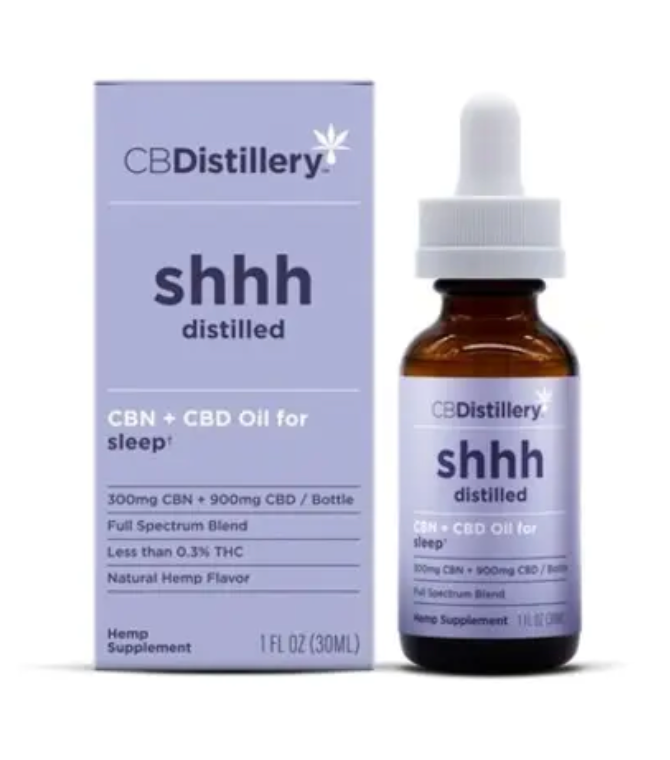
For users who want the fastest-acting CBN format, CBDistillery's Extra Strength Full Spectrum CBN + CBD Sleep Oil Tincture is the right choice. Sublingual tinctures absorb directly into the bloodstream through the sublingual membrane and typically begin working significantly faster than gummies or capsules. The full-spectrum formulation pairs CBN with CBD and the supporting cannabinoids and terpenes that contribute to the entourage effect, which research suggests may be more effective than CBN alone. CBDistillery is U.S. Hemp Authority–certified, publishes batch-level Certificates of Analysis, and operates on a clean Colorado supply chain. For people who want a customizable dose and the fastest onset window for nighttime use, this is the tincture we recommend most.
Erth Wellness THC-Free CBN Sleep Gummies 600mg
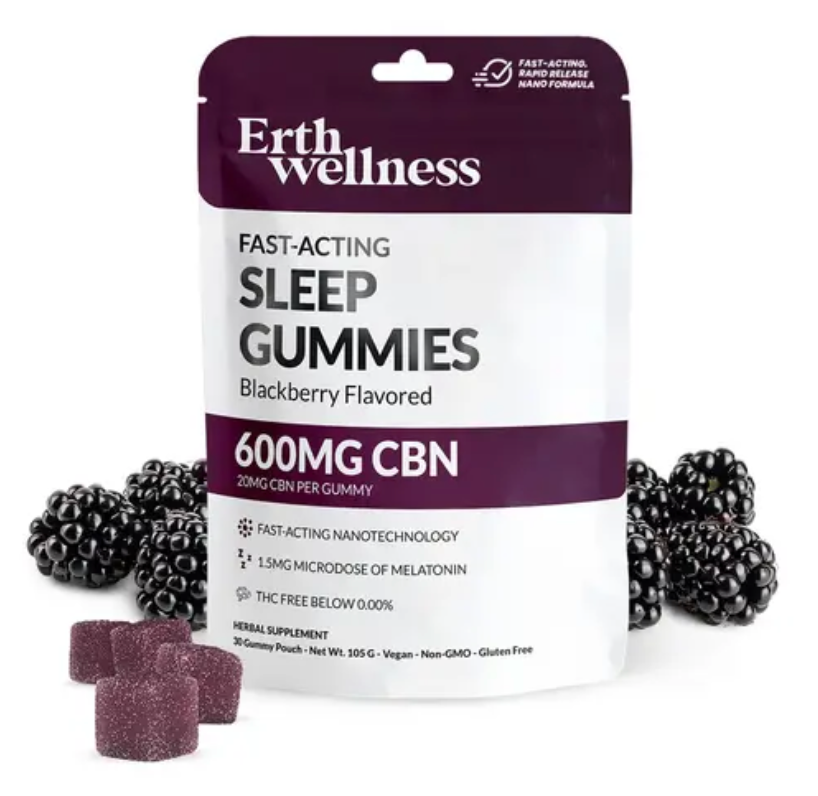
For users concerned about drug testing or who simply want to avoid any THC exposure, Erth Wellness' THC-Free CBN Sleep Gummies are a strong choice. The "THC-Free" designation means these are broad-spectrum or isolate-based products with non-detectable THC content—the safer option for veterans, healthcare workers, professional athletes, and anyone subject to workplace screening. With 600 mg of CBN per bottle distributed across the gummy count, the dosing is consistent and meaningful for sleep support. Gummies take a bit longer to kick in (typically 45 to 90 minutes), but the effects also tend to last longer through the night, making them especially useful for people whose sleep issues are about staying asleep rather than falling asleep.
Where to Buy CBN Products
The Green Dragon CBD's full CBD and minor cannabinoid collection brings CBN products from CBDistillery, Erth Wellness, Charlotte's Web, and other trusted brands into one vetted catalog. Every brand has published Certificates of Analysis, transparent sourcing, and a track record worth standing behind.
Interested in CBN? Shop the collection, look out for our frequent sales and deals, and enjoy the personal customer service The Green Dragon CBD is known for. We’re proud to be part of your wellness journey!
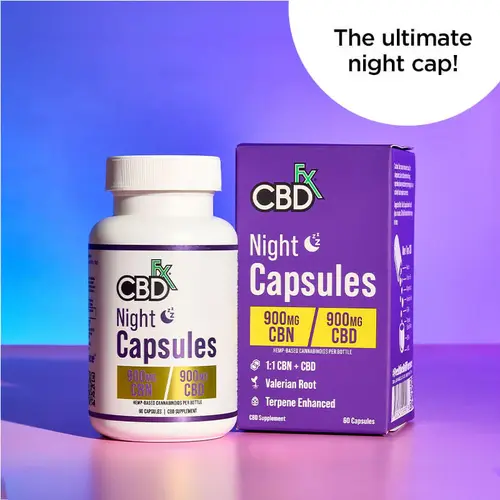
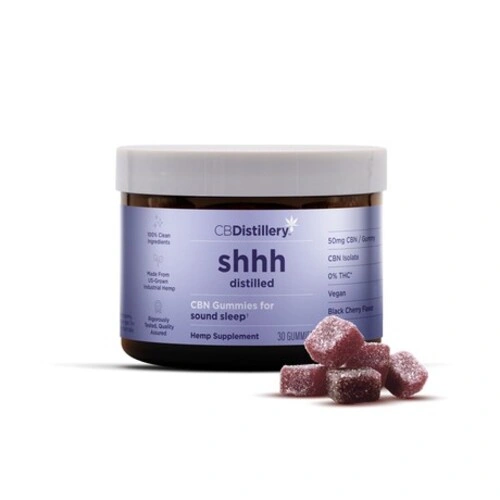


Under the 2018 Farm Bill, CBN is federally legal since it comes from hemp.
CBN could be beneficial for you. Talk to your doctor before introducing different supplements to your daily routine. You can also try experimenting with small doses and figure out how your body reacts to CBN.
CBN is a cannabinoid that can potentially be used as an appetite stimulant, sleep aid, antibacterial agent, and other beneficial treatments.
At higher doses or when combined with other sedatives, CBN can cause next-day grogginess. Lowering the dose typically resolves this. Most people find that 10 to 25 mg avoids morning fog.


