


CBD for Pets: A Practical Guide for Pet Owners
CBD for Pets: A Practical Guide to Safety, Research, and Responsible Use
CBD for pets has evolved from a niche wellness trend into one of the fastest-growing segments of the pet care industry. Today, it’s common to see CBD oils, treats, and chews marketed for dogs and cats in pet stores, vet offices, and online - but as interest grows, so do important questions. What exactly is CBD? Is it safe for pets? What does current research suggest about its potential uses? And how can pet owners separate high-quality products from marketing claims?
This guide is here to help you better understand CBD for pets and make informed choices with confidence. We’ll cover what CBD is, how it may interact with your pet’s body, what current research suggests about safety and potential uses, possible side effects to be aware of, and what to look for when choosing a quality product - so you can make decisions that support your pet’s health, comfort, and overall well-being.
What Is CBD for Pets and How Does It Work?
CBD, short for cannabidiol, is a naturally occurring compound found in the hemp plant. Unlike THC, CBD is non-intoxicating, meaning it does not produce a “high.” Most CBD products made for pets are derived from hemp and formulated to contain little to no THC, making them specifically designed with animal safety in mind.
→ For a full guide to CBD: CBD 101 | Basics, Benefits & Buying Tips
To understand how CBD may affect pets, it helps to know about the endocannabinoid system (ECS) — a complex network of receptors found in both humans and animals, including dogs and cats. The ECS helps regulate many important functions in the body, such as:
- Mood and stress response
- Sleep cycles
- Appetite
- Immune function
- Pain signaling and inflammation response
CBD is thought to interact indirectly with this system, helping support the body’s ability to maintain balance, or homeostasis. While researchers are still studying exactly how this interaction works in animals, this connection is one reason CBD has become an area of growing interest in pet wellness.
It’s important to note that CBD affects every pet differently. Factors like your pet’s size, age, species, overall health, and existing medications can all influence how they respond. That’s why veterinary guidance and careful product selection are essential when considering CBD as part of your pet’s routine.
What Does the Research Say? CBD for Pets in 2026
Research on CBD for pets is still in its early stages, but it has expanded significantly over the past several years - especially in dogs. While findings so far are encouraging in certain areas, veterinary scientists continue to emphasize the need for larger, longer-term clinical trials before CBD can be considered a standard part of pet care.
Here’s a breakdown of what current peer-reviewed studies and veterinary research are showing as of 2026.
CBD for Pain and Mobility in Dogs
One of the most well-studied applications of CBD in companion animals is its potential role in supporting dogs with osteoarthritis and joint discomfort.
A landmark 2018 study published in Frontiers in Veterinary Science by researchers at Cornell University found that dogs with osteoarthritis who received CBD oil showed improvements in pain scores and mobility compared to those given a placebo, without significant reported side effects.
These findings were further supported by a 2020 study, which suggested that CBD may help reduce discomfort and inflammation associated with joint disease in dogs.
While results are promising, researchers consistently note that more robust clinical trials are needed to fully understand long-term effects and optimal dosing.
CBD and Anxiety-Related Behaviors in Dogs
CBD is also being studied for its potential to support dogs experiencing stress-related behaviors, including separation anxiety, noise sensitivity, and travel-related stress.
A 2023 study published in the Journal of Veterinary Behavior found that hemp-derived CBD was associated with a reduction in anxiety behaviors in dogs exposed to noise phobia triggers. However, researchers also highlighted variability in response between animals and emphasized that more controlled studies are needed to confirm these effects.
In addition to clinical data, many pet owners report anecdotal improvements in calmness and behavior, though these reports should be interpreted cautiously alongside scientific evidence.
CBD for Seizures and Epilepsy in Dogs
One of the most promising areas of ongoing research involves seizure management in dogs with drug-resistant epilepsy.
A 2022 study funded by the American Kennel Club Canine Health Foundation and conducted through Colorado State University found that dogs receiving CBD in combination with conventional anti-seizure medications experienced a reduction in seizure frequency compared to baseline levels.
This area of research is particularly notable because, in human medicine, the FDA has approved a CBD-based medication (Epidiolex) for certain forms of treatment-resistant epilepsy. While no equivalent veterinary drug has been approved for pets, this human research has helped drive increased scientific interest in veterinary applications.
CBD Research in Cats: What We Know So Far
Compared to dogs, research in cats is still limited, and this remains a significant gap in veterinary literature.
A 2021 pharmacokinetic study found that cats process CBD differently than dogs and may show increased sensitivity at higher doses, including potential changes in liver enzyme activity. These findings suggest that cats may respond differently to CBD and highlight the importance of caution, individualized dosing, and veterinary oversight.
Because of this limited data, recommendations for cats remain more conservative than for dogs, and further research is still needed.
Is CBD Safe for Pets? What We Know So Far
Current research and early clinical observations suggest that CBD is generally well tolerated in many pets when used appropriately. However, several important limitations remain:
- Long-term safety data is still limited
- Responses can vary based on species, size, age, and health status
- Dosing is not yet standardized across veterinary medicine
Most studies, including those from Cornell University, suggest CBD may support comfort and mobility in dogs, but also reinforce that more extensive research is needed before drawing broad conclusions.
Potential Benefits of CBD for Pets
CBD should be viewed as a supportive wellness supplement for pets, not a cure or treatment for any medical condition. While research is still emerging, some veterinary studies and pet owner reports suggest CBD may play a role in supporting general comfort and quality of life in specific situations.
Any use should be discussed with a veterinarian, especially if your pet has an existing health condition or is taking medication.
1. Stress and Environmental Sensitivity Support
Pets can experience stress in response to common triggers such as thunderstorms, fireworks, travel, separation, or veterinary visits. Some pet owners report that CBD may help support a calmer behavioral state during these types of situations. However, responses can vary significantly between individual animals.
2. Mobility and Joint Comfort in Aging Pets
As dogs and cats age, maintaining comfortable movement can become more challenging. CBD is sometimes used as part of a broader approach to supporting mobility and daily activity in senior pets or animals experiencing joint stiffness. Early veterinary research in dogs suggests potential interest in this area, though more studies are needed to confirm long-term effects.
3. General Wellness and Daily Routine Support
Some pet owners incorporate CBD into an overall wellness routine that already includes balanced nutrition, regular exercise, and consistent veterinary care. In this context, CBD is viewed as one possible supportive addition to an established health routine rather than a standalone solution.
4. Appetite and Routine Changes
In some cases, CBD is used by pet owners during periods of change - such as travel, aging, or environmental disruption - to help maintain normal appetite patterns and daily routines. Scientific evidence in this area is still limited, and outcomes may vary depending on the individual pet.
Risks and Side Effects of CBD for Pets
While CBD is generally well tolerated in many pets, side effects can occur, especially when starting out or if the dose is too high. The most commonly reported effects include drowsiness, increased thirst, mild digestive upset, and changes in appetite.
More importantly, research on long-term use in pets is still limited, and responses can vary based on species, size, health status, and medications. CBD may also interact with certain prescription drugs, so veterinary guidance is essential before use.
Use extra caution if your pet is very young, senior, pregnant, nursing, or managing an existing medical condition. Discontinue use and consult a veterinarian if you notice persistent or concerning changes in behavior or health.
Careful dosing, high-quality third-party tested products, and veterinary oversight are essential to help reduce potential risks and ensure your pet’s safety.
Types of CBD Products for Pets
Choosing the right CBD format for your pet can help improve ease of use and make dosing more consistent. Each product type is designed to fit different preferences, routines, and pet behaviors. Regardless of format, it’s important to follow product instructions carefully and consult your veterinarian before use.
CBD Oils & Tinctures
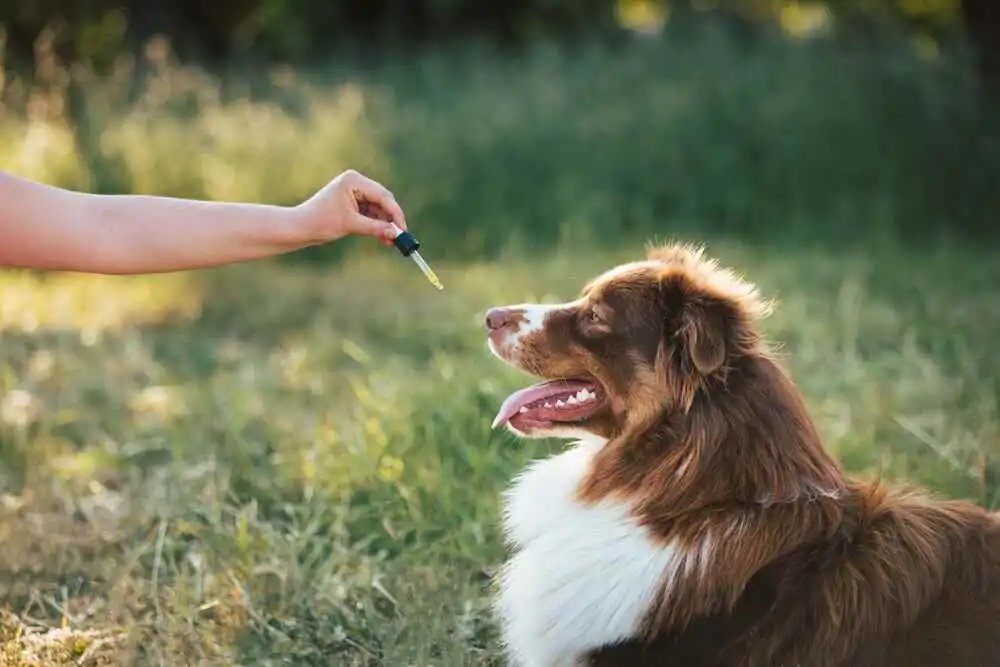
CBD oils are typically administered directly into your pet’s mouth (when appropriate) or mixed into food.
- Allows for flexible, adjustable dosing
- Easy to tailor serving size based on your pet’s needs
- Often preferred for pets that tolerate liquid administration
CBD Pet Treats
CBD-infused treats are pre-measured and designed for simple, consistent use.
- Convenient, ready-to-give format
- Helps eliminate dosing guesswork
- Often ideal for pets that are picky or difficult to administer oils to
CBD Capsules
Capsules offer a straightforward, no-mess option for daily routines.
- Pre-measured servings for consistency
- Easy to incorporate into a daily supplement schedule
- May be less convenient for pets that resist pills
Topical CBD Products
Topicals are applied externally to areas such as skin, joints, or paws.
- Designed for localized application
- Often used as part of a broader wellness routine
- Should be applied according to manufacturer instructions
Note: CBD products are not all formulated the same. Quality, concentration, and intended use can vary widely, so selecting third-party tested products and consulting a veterinarian is strongly recommended.
How to Choose a Safe, High-Quality CBD Product for Your Pet
The CBD market for pets is still largely unregulated, which means product quality, safety, and labeling can vary significantly between brands. Because of this, choosing a reputable, transparent product is one of the most important steps in protecting your pet’s health and well-being.
Here are the key factors to look for when selecting a CBD product for your pet:
1. Third-Party Lab Testing
A Certificate of Analysis (COA) from an independent laboratory is essential. This report verifies what’s actually in the product and confirms it has been tested for safety and accuracy.
A reliable COA should confirm:
- The CBD content matches what is listed on the label
- THC levels are within legal limits (≤ 0.3% in hemp products, ideally as close to 0% as possible for pets)
- The product is free from harmful contaminants such as pesticides, heavy metals, and residual solvents
If a brand does not provide easy access to a COA, that is a significant red flag.
→ Learn Here: How To Read a COA
2. Hemp Source and Extraction Standards
Look for products made from legally grown hemp, ideally sourced in the United States, where agricultural standards are more strictly regulated.
3. Pet-Specific Formulations
Always choose CBD products specifically formulated for pets rather than human products.
Human CBD products may contain ingredients that are harmful to pets, such as xylitol, which is toxic to dogs even in small amounts.
4. THC Content and Cannabinoid Profile
Pets are generally more sensitive to THC than humans, so cannabinoid content matters.
Clear labeling of cannabinoid content is a key indicator of product quality and transparency.
5. Ingredient Safety and Transparency
Always review the full ingredient list carefully.
Avoid products that contain potentially harmful or unnecessary additives, such as:
- Xylitol or artificial sweeteners
- Certain essential oils not considered safe for animals
- Excessive or unclear proprietary blends without ingredient disclosure
The simpler and more transparent the ingredient list, the better.
6. Clear Labeling and Usage Guidance
High-quality brands provide clear, easy-to-understand product labeling, including:
- Ingredient lists
- Suggested serving or dosing guidelines
- Product strength and concentration
- Intended use (pet-specific formulations clearly identified)
7. NASC Quality Seal (Added Layer of Trust)
The National Animal Supplement Council (NASC) Quality Seal is an additional marker of quality and compliance in the pet supplement industry.
Brands with the NASC seal are required to meet standards related to:
- Quality control and manufacturing practices
- Accurate labeling
- Adverse event reporting systems
While not mandatory, the NASC seal can provide additional confidence when evaluating products.
→ For a full guide on purchasing CBD: First-Time Buyer's Guide: CBD Products and Tips
Important: Talk to Your Veterinarian First
Before introducing CBD into your pet’s routine, consult your veterinarian - especially if your pet:
- Takes prescription medications
- Has a diagnosed medical condition
- Is pregnant, nursing, or elderly
CBD can interact with certain medications by affecting how they are metabolized in the liver. A vet can help you assess whether CBD is appropriate and guide you on safe usage.
What Pet Owners Should Keep in Mind About CBD for Pets
CBD for pets is an evolving area of veterinary wellness with growing scientific interest, but still limited long-term clinical data. While early research in dogs shows promising results in areas like mobility, stress-related behaviors, and seizure management, experts continue to emphasize the importance of cautious, informed use as the science develops.
If you’re considering CBD for your pet, the most important takeaway is that it should never replace veterinary care or established treatment plans. Instead, it may be one supportive option within a broader routine that includes proper nutrition, regular exercise, and ongoing guidance from your veterinarian.
If you have any questions or need help choosing the right product for your pet, our team is here to help - feel free to contact us anytime for guidance or support.
Ready to browse?
Shop our full collection; CBD for Pets




CBD appears to be generally well tolerated in many pets when used appropriately, but research is still limited. Side effects like drowsiness, changes in appetite, or digestive upset may occur. Veterinary guidance is strongly recommended before use.
Early studies suggest CBD may support comfort and mobility in dogs with osteoarthritis and may help with certain stress-related behaviors and seizure management. However, most research is still emerging and not yet conclusive enough for standardized veterinary treatment.
Look for products that provide third-party lab testing (COAs), are made from hemp-derived CBD, are specifically formulated for pets, and clearly list ingredients. Avoid products with harmful additives like xylitol and always choose transparent, well-tested brands.
First and foremost; consult your veterinarian.


