CBD 101 | Basics, Benefits & Buying Tips
What Is CBD? Your Complete Beginner's Guide to Cannabidiol
Last updated: April 2026
CBD has quickly become one of the most talked-about wellness ingredients — but understanding how it works, whether it's worth trying, and how to shop for it safely is essential. This CBD 101 guide covers the fundamentals, including how CBD interacts with the body, potential benefits, safety considerations, and how to choose a product that fits your life.
What Is CBD and How Does It Work?
CBD, short for cannabidiol, is one of more than 100 naturally occurring cannabinoids found in cannabis plants. Cannabinoids are compounds that interact with a network of receptors throughout the human body called the endocannabinoid system (ECS).
Think of the ECS as a biological control panel. It helps regulate functions like sleep, mood, pain perception, appetite, and immune response. When the system is in balance, your body runs well. When it's out of balance — due to stress, injury, chronic illness, or other factors — things start to go sideways.
CBD interacts with the two main receptor types in the ECS — CB1 (concentrated in the brain and nervous system) and CB2 (found mostly in immune tissue) — helping to modulate these functions without producing intoxicating effects.
Rather than binding directly to ECS receptors, CBD appears to influence how these receptors respond to signals in the body. This indirect interaction is one reason CBD is being studied for a wide range of wellness applications.
According to the U.S. Food and Drug Administration, CBD is currently approved only in a prescription medication for certain seizure disorders. Outside of that, CBD products are considered supplements, and research into broader uses is still ongoing.
For a deeper look at current research, you can explore PubMed’s database of cannabidiol studies.
→ For a more in-depth look at the endocannabinoid system, read our blog: What in the World is the Endocannabinoid System?
CBD vs. THC: What's the Difference?
CBD and THC are the two most well-known cannabinoids and are both hemp-derived, though they have very different effects. Both hemp and marijuana are varieties of Cannabis sativa, but hemp is the primary source for commercial CBD because it's naturally low in THC and high in CBD.
CBD (Cannabidiol):
- Non-intoxicating
- Does not produce a “high”
- Commonly used for wellness support
THC (Tetrahydrocannabinol):
- Psychoactive
- Responsible for the “high” associated with cannabis
- Found in higher concentrations in marijuana
Hemp-derived CBD products legally contain less than 0.3% THC, which is not enough to produce intoxicating effects for most users.
Most people who use CBD report noticing targeted relief — reduced anxiety, less pain, better sleep — without feeling "off" or altered. That's a key part of its appeal for people who want the wellness potential of cannabis without any psychoactive experience.
All products at The Green Dragon CBD are third-party lab tested and verified to contain less than 0.3% THC, in compliance with federal law.
Is CBD Legal? Here's What the Research and Law Say
Yes, with a catch —
CBD derived from hemp became federally legal under the 2018 Farm Bill. However, regulations can vary by state, especially regarding certain product types like edibles or smokables.
To stay compliant:
- Verify products contain less than 0.3% THC
- Check your state’s current laws
- Buy from reputable, transparent brands
→ For official guidance, visit the United States Department of Agriculture hemp resources:
https://www.usda.gov/topics/hemp
Potential Benefits: What Does CBD Research Actually Show?
Many consumers use CBD as part of a general wellness routine. The science on CBD is still developing, but the existing evidence is genuinely promising across several areas:
Epilepsy (FDA-approved)
The most clinically validated use of CBD is in treating Lennox-Gastaut syndrome and Dravet syndrome — rare, treatment-resistant forms of epilepsy. Epidiolex, a pharmaceutical CBD formulation, is approved specifically for this.
Anxiety
A 2019 clinical study published in The Permanente Journal found that 79% of participants experienced a decrease in anxiety scores within the first month of CBD use, with results sustained over time.
Pain and inflammation
CBD may support pain and inflammation by interacting with CB2 receptors, which help regulate immune response and inflammatory signaling in the body. Emerging research suggests it may influence inflammatory pathways and pain perception, making it a popular option for conditions like arthritis and post-exercise soreness.
→ Ready to shop for pain relief? Head on over to our collection: CBD for Pain
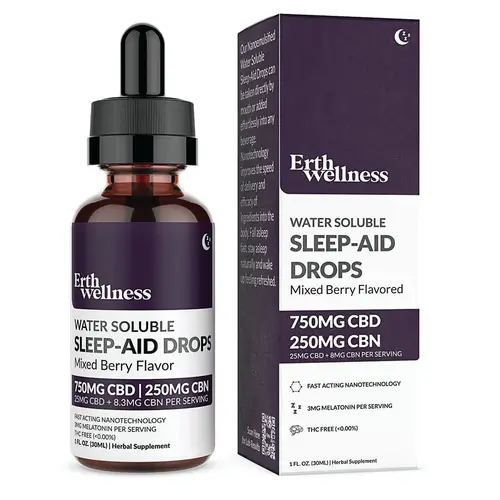
Sleep
Trouble sleeping is one of the top reasons people turn to CBD. There’s quite a bit of evidence that suggests CBD may improve sleep by addressing root causes like anxiety and discomfort, rather than acting as a sedative.
→ Check out our guide on CBD for sleep and some of the studies for CBD for sleep support in our blog: Can't Sleep? How CBD May Help You Finally Get Some Rest
→ Ready to shop for sleep support? Head on over to our collection: CBD for Sleep
Mood
Preliminary research suggests CBD may support mood regulation by interacting with serotonin receptors — particularly the 5-HT1A receptor, which plays a key role in anxiety and emotional balance.
It's worth setting realistic expectations: CBD is not a cure for any condition (outside of the epilepsy syndromes mentioned above), and individual results vary. Always speak with a healthcare provider before starting CBD, especially if you take prescription medications.
Types of CBD Products: A Buyer's Guide
One of the most useful things this CBD 101 guide can do is help you match a product type to your lifestyle and goals.
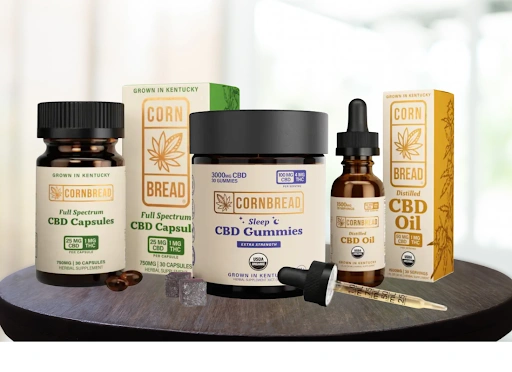
Oils and Tinctures
CBD oils and tinctures are taken sublingually — a few drops held under the tongue for 30–60 seconds before swallowing. This method delivers CBD relatively quickly (effects typically within 15–45 minutes) and allows for very precise dosing.
They come in three formulations:
- Broad-spectrum: contains multiple cannabinoids, typically no THC
Great for: Users who want multi-compound benefits without any THC exposure.
- CBD isolate: pure CBD in a carrier oil — nothing else
Great for: Users who want a clean, predictable product.
- Full-spectrum: contains trace THC and other cannabinoids
Great for: Users that favor the "entourage effect," the idea that cannabis compounds work better together.
Tincture Benefits
- Flexible dosing
- Faster absorption than edibles
- Easy to incorporate into routines
- Customizable (you can put your dose right into your favorite beverage!)
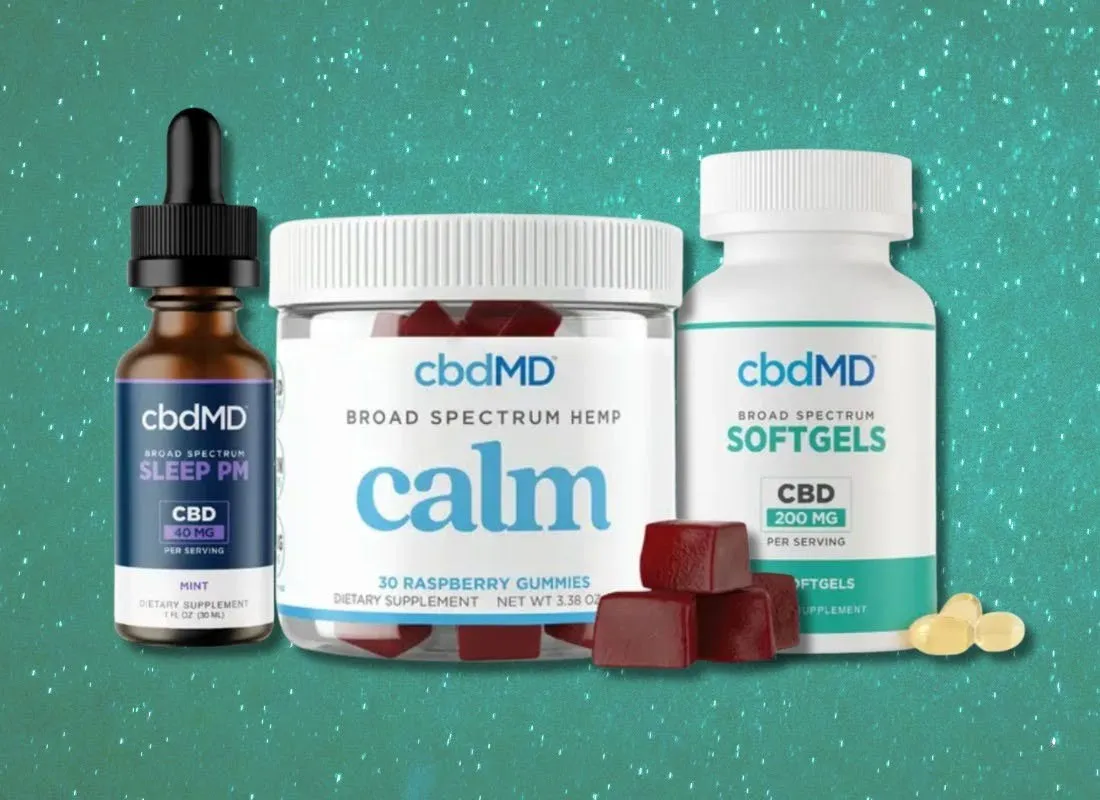
Gummies and Edibles
CBD gummies, capsules, and other edible products are metabolized through digestion — which means they take longer to kick in (30 minutes to 2 hours) but produce longer-lasting effects, often 6–12 hours. This makes them especially popular among people managing chronic pain or looking for sustained, all-day relief.
Edibles are also among the easiest products to dose accurately, since most come pre-measured per piece.
Benefits of Gummies & Edibles
- Pre-measured dosing
- Convenient and discreet
- Long-lasting effects
- Gummies usually come in tasty flavors
Topicals
CBD creams, lotions, and patches are applied directly to the skin. Because they don't enter the bloodstream significantly, they're best used for localized relief — joint pain, muscle soreness, inflammation, or skin conditions — and usually include other ingredients such as menthol and soothing botanicals.
The ability to target a specific area is a meaningful advantage for people dealing with injury or localized chronic pain.
Benefits of Topicals
- Targeted application
- No systemic absorption required
- Useful for localized discomfort
Smokables and Vapes
CBD flower, pre-rolls, concentrates, and vape pens and cartridges are inhaled, delivering cannabinoids to the bloodstream almost immediately. Effects are felt within minutes — making this the fastest-acting method. The trade-off is that effects tend to fade more quickly, and it's harder to measure a precise dose.
Vaping Benefits:
- Fast-acting effects
- High bioavailability
CBD Dosage Guide for Beginners
There is no one-size-fits-all dosage for CBD. The right amount depends on several factors, including your body chemistry, product type, and intended use.
A common beginner approach:
- Start at 2.5 mg per day. Give it a few days at this level to understand how your body responds.
- Increase slowly. If you tolerate 2.5 mg well and want more effect, increase by 0.5–1 mg every 3–5 days.
- Find your minimum effective dose. Most beginners find 5–25 mg per day effective. More isn't always better — the goal is symptom relief without side effects.
- Be consistent. CBD tends to work best taken regularly, not just on an as-needed basis.
Keeping a journal of your dosage and effects can help you find your ideal routine over time.
Here are some examples of what you should track while you’re finding your dose:
- Date
- Product name
- Product type
- CBD dose
- What your wellness goal is (better sleep, pain management, etc.)
- What time you took it
- Any other cannabinoids and ingredients in the product’s formula
- How you felt before taking it (stress level, anxiety, pain)
- How you felt the next day (stress level, anxiety, pain)
Common side effects are rare but can include mild drowsiness, nausea, or digestive upset — usually at higher doses. Starting low dramatically reduces this risk.
If you'd like personalized guidance, reach out for a free consultation — our team is happy to help you find the right starting point.
How to Choose High-Quality CBD
Because the FDA doesn't regulate CBD as a drug, choosing a trustworthy product is essential Here's how to protect yourself as a consumer:
1. Look for Third-Party Lab Testing (COA)
A Certificate of Analysis (COA) should confirm:
- Cannabinoid content
- THC levels
- Absence of pesticides, heavy metals, and solvents
→ COAs are a little intimidating. Read our guide: How to Read a COA
2. Check Ingredients and Label Transparency
High-quality CBD products should clearly list:
- Active ingredients
- Serving size
- CBD concentration
- Batch number
Avoid products with unclear labeling or unrealistic claims.
3. Consider Brand Reputation
Choose brands that:
- Provide transparent sourcing information
- Have verified customer reviews
- Maintain consistent product quality
4. Understand Hemp Sourcing
Hemp quality matters. U.S.-grown hemp is often preferred due to stricter agricultural regulations.
Shop CBD with Confidence
At Green Dragon CBD, we focus on quality, transparency, and customer education. All products are sourced and hand-selected from reputable U.S. brands and undergo third-party testing for purity, potency, and safety.
Whether you’re new to CBD or refining your routine, you can explore a wide range of options:
- CBD gummies and edibles
- CBD tinctures and oils
- CBD topicals
- CBD vape products
CBD for Pets: What You Need to Know
CBD isn't just for people — it's become increasingly popular among pet owners looking for natural support for their dogs and cats. The reason it works on animals is the same reason it works on us: mammals share a similar endocannabinoid system, complete with CB1 and CB2 receptors that respond to cannabinoids.
Pet owners commonly turn to CBD to help with anxiety and stress (separation anxiety, storm phobias, vet visits), joint pain and mobility (especially in aging dogs), inflammation, and appetite or nausea issues.
A 2018 study published in Frontiers in Veterinary Science found that CBD oil at 2 mg/kg twice daily significantly reduced pain scores and improved mobility in dogs with osteoarthritis — with no notable adverse effects.
Important Differences When Giving CBD to Pets
THC is toxic to dogs and cats. Even trace amounts of THC — including those found in full-spectrum human products — can be harmful to animals, particularly dogs. Always choose a broad-spectrum or CBD isolate formula specifically made for pets, which is formulated to eliminate THC entirely.
Dosing is weight-based. A common starting point is 0.1–0.2 mg of CBD per kilogram of body weight, once or twice daily. Start low and increase gradually while watching for any changes in behavior or digestion.
Use pet-specific products. Pet-formulated CBD tinctures, soft chews, and treats are made with pet-safe ingredients and flavors. Avoid giving your pet products designed for human use — some contain sweeteners like xylitol that are toxic to animals.
Talk to your vet first. CBD for pets isn't yet FDA-regulated, and while early research is encouraging, your veterinarian can help determine whether it's appropriate for your pet and flag any potential medication interactions.
Ready to Try CBD?
Now that you've got a solid CBD 101 foundation, you're ready to shop with confidence. At Green Dragon CBD, every product we carry is third-party lab tested, clearly labeled, and backed by a team that genuinely wants to help you find what works.
With the right approach, CBD can be explored safely and responsibly as part of your everyday wellness strategy.
What are you waiting for? Explore our collections of CBD products today.



CBD doesn’t produce a high. Most users report subtle effects like a sense of calm, reduced tension, or improved comfort, depending on their reason for use.
It depends on the product type. Oils and tinctures may take effect within 15–45 minutes, while edibles can take 30 minutes to 2 hours but last longer.
Start by identifying your goal (sleep, stress, pain), then choose a format that fits your lifestyle — tinctures for flexibility, gummies for convenience, or topicals for targeted relief. Always look for third-party lab testing (COA) to ensure quality and safety.