


Blue Lotus: From the Banks of the Nile to Today
Few plants carry as much historical weight as blue lotus. For thousands of years, this pale blue water lily has appeared in temple carvings, tomb paintings, poetry and religious texts. Today it shows up in a very different setting: on the shelves of botanical and wellness shops, in forms ancient Egyptians could never have imagined.
In this guide, we'll trace the story of blue lotus from the banks of the Nile to the present day. We'll also walk through the most popular modern format options, including vapes, pre-rolls and gummies, and share a few tips for shopping blue lotus with confidence.
What Is Blue Lotus?
Blue lotus is the common name for Nymphaea caerulea, a water lily native to much of Africa. It's also known as the blue Egyptian water lily, the sacred blue lily and the blue water lily.
Despite the name, blue lotus isn't a true lotus at all. True lotuses belong to the genus Nelumbo, which includes the pink sacred lotus closely associated with India and Southeast Asia. Blue lotus is a water lily, a separate plant family, but the "lotus" name stuck largely because of how early European writers and translators described it.
The flower itself is striking. Its star-shaped petals range from sky blue to soft violet, fading to white near a bright yellow center. The round, notched leaves float flat on the water's surface. Each bloom typically opens in the morning, rises above the water, and closes again in the afternoon. That daily rhythm would become central to its meaning in ancient Egypt.
Blue Lotus in Ancient Egypt
To understand why blue lotus still captures so much attention, you have to start in ancient Egypt. There, it wasn't just a pretty flower. It was one of the most important symbols in the culture's art and religion.
A Symbol of the Sun and Rebirth
Egyptians watched the blue lotus open at dawn and close as the day wore on. To them, this cycle mirrored the journey of the sun across the sky. Some creation stories describe the sun god emerging from a lotus that rose out of the primordial waters at the beginning of time.
Because it seemed to "return" each morning, the flower also became a powerful emblem of rebirth and renewal. That made it a natural fit for funerary art, where themes of the afterlife and new beginnings were everywhere.
Nefertem, the Lotus God
Blue lotus was so closely tied to Egyptian belief that it had its own deity. Nefertem, considered the patron of perfume, was usually shown with a large lotus flower on his head. In some myths, he was said to have emerged from a lotus flower himself.
One of the best-known artifacts connected to this idea is a small, painted wooden sculpture found at the entrance of Tutankhamun’s tomb. It shows the young king's head rising from an open lotus, linking him to the sun's daily rebirth.
Everywhere in Egyptian Art
Once you know what to look for, blue lotus appears all over Egyptian art. It decorates temples, tombs, furniture, and everyday household objects. Banquet scenes often show guests holding lotus blossoms to their noses or wearing them in their hair.
The flower also played a role in Egypt's symbolism of unity. The lotus often (but not always), stood for Upper Egypt, while papyrus represented Lower Egypt. Artwork showing the two plants bound together symbolized a united kingdom.
Water lilies were woven into wreaths for the burials of kings and priests. Floral collars from Tutankhamun’s embalming cache, now at the Metropolitan Museum of Art, list blue lotus petals among their materials.
From the Nile to the Wider World
As Egypt's influence spread, so did fascination with its sacred flower.
Napoleon’s 1798 campaign in Egypt helped spark a fashion for Egyptian style across Europe in the 1800s. Then the discovery of Tutankhamun’s tomb in November 1922 set off a full-blown wave of “Egyptomania.” Lotus motifs turned up in 1920s and 1930s fashion and architecture, including Egyptian-style cinemas with lotus-filled interiors.
Blue Lotus Today
In recent years, blue lotus has found a new audience. Interest in botanicals with deep cultural roots has grown, and blue lotus fits that story perfectly. Many people are drawn to it for its history, its floral aroma, and the sense of ritual that comes with enjoying a plant revered for thousands of years.
Modern blue lotus products are typically made from the dried flowers and petals, or from extracts. The variety of formats has expanded quickly, giving adults more ways to explore the botanical than ever before.
A Note on Legal Status
Blue lotus is not a federally controlled substance, and it is legal to buy and own in most states. However, laws can vary by state.
Because regulations can change, it's always a good idea to check your local and state laws before purchasing. At The Green Dragon CBD, our blue lotus products are sold only to adults 21 and older.
Ways to Enjoy Blue Lotus
Ancient Egyptians knew blue lotus through its blossoms, garlands and fragrance. Today's adults have far more options. Here are the most popular formats and what sets each one apart.
Blue Lotus Vapes
Blue lotus vapes are one of the newest ways to experience the botanical. Most are sold as disposable pens or cartridges containing blue lotus extract, often paired with terpenes or natural flavors.
People who choose vapes often appreciate:
- Convenience: No preparation, grinding or rolling required.
- Portability: A sleek device that fits easily in a pocket or bag.
- Flavor: Many vapes highlight blue lotus's light, floral notes, sometimes blended with fruit or herbal flavors.
- Control: It's easy to take a single draw and pause.
When shopping for a vape, look for clear ingredient lists and third-party lab testing. These help you understand exactly what's in the device.
Blue Lotus Pre-Rolls
For those who enjoy a more traditional botanical ritual, blue lotus pre-rolls are a popular choice. These are made from dried blue lotus flowers and petals, pre-ground and rolled into cones.
Many pre-rolls feature blue lotus on its own. Others blend it with complementary herbs such as damiana, mullein, raspberry leaf or rose petals for a fuller aroma and smoother burn.
Pre-rolls appeal to people who:
- Enjoy the hands-on ritual of a smokable herbal product
- Want to experience the natural aroma of the dried flower
- Like trying different herbal blends to find a favorite
- Prefer not to roll their own
As with any smokable product, be mindful of where you enjoy it and follow local rules about smoking in public spaces.
Blue Lotus Gummies
If smoking or vaping isn't your style, blue lotus gummies offer a smoke-free alternative. These chewable edibles are typically infused with blue lotus extract and are available in a variety of flavors.
Gummies are popular because they're:
- Smoke-free: No inhaling required.
- Pre-measured: Gummies typically list the amount per piece, which makes serving sizes easy to confirm.
- Portable: Easy to take with you on the go.
- Tasty: Flavors help balance the botanical's natural earthy notes.
Follow the serving size on the product label, and don’t exceed it. Always store gummies out of reach of children and pets, since they can resemble candy.
Blue Lotus Tea
Tea is one of the simplest ways to enjoy the dried flowers. Steep a few blossoms or a spoonful of dried petals in hot water for 10 to 15 minutes, then strain. Many people add honey, lemon, or a blend of other herbal teas to round out the floral flavor. It's a methodical, ritual-friendly way to connect with blue lotus's long history.
Tips for Shopping for Blue Lotus
With so many products on the market, a little label literacy goes a long way. Keep these points in mind:
Check for third-party lab results. Reputable brands share a certificate of analysis (COA) from an independent lab. It confirms what's in the product and screens for contaminants.
- Read the full ingredient list. Know whether you're getting pure blue lotus, a blend with other herbs, or an extract with added ingredients.
- Look for clear serving information. Labels should list the amount of blue lotus per serving or per piece.
- Be wary of big promises. Steer clear of brands that make bold claims about what their product can do.
- Buy from a trusted retailer. Shops that verify age, stand behind their products, and answer questions openly are worth your business.
- Talk to a healthcare professional first if you are pregnant, nursing, taking medication or have a medical condition.
Where to Buy Blue Lotus
You can find top blue lotus products right here at The Green Dragon CBD. From the temple walls of ancient Egypt to the modern botanical shelf, blue lotus has held people's attention for more than 3,000 years. Its story touches religion, art, archaeology and wellness. Today, vapes, pre-rolls, gummies and teas give adults new ways to explore a plant that once symbolized the rising sun.
Curious to try it for yourself? Browse our blue lotus collection today and reach out to our helpful customer service team with any questions. We’re happy to help! (For adults 21+ only)
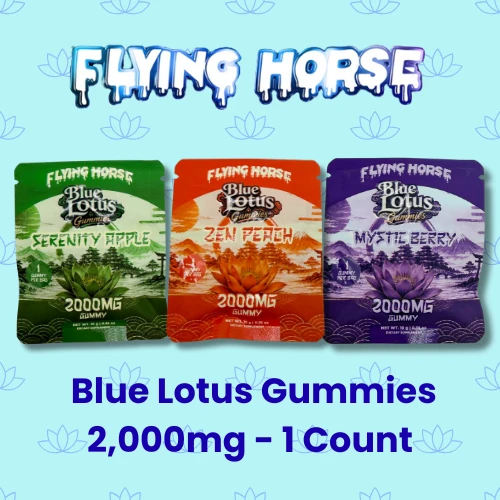
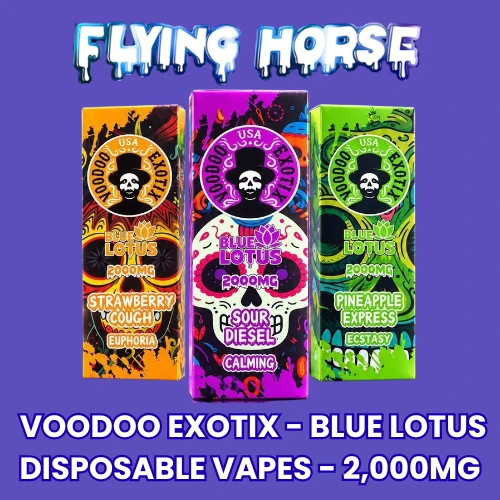
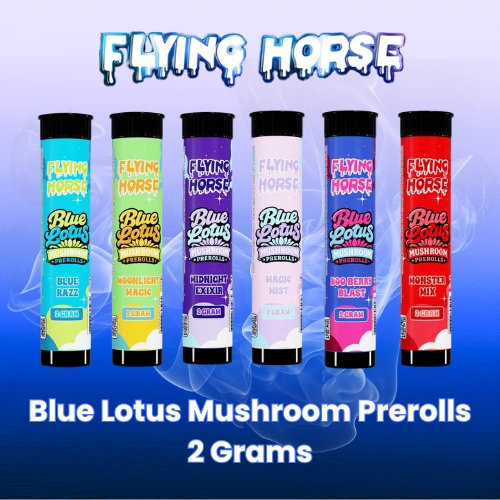

Blue lotus (Nymphaea caerulea) is a water lily that has been used for centuries for its medicinal and psychoactive properties. Known for its mildly euphoric and calming effects, it’s commonly consumed in the form of tea, extracts, or used in aromatherapy. The flower is also smoked or vaporized for its relaxing properties, offering a sense of tranquility and enhanced mood without overwhelming intoxication.
Smoking blue lotus flower is a popular way to experience its calming and euphoric effects. Here’s a simple guide on how to smoke blue lotus:
What You’ll Need:
Dried blue lotus flowers
A grinder (optional, for finer texture)
Rolling papers or a pipe
Optional: other herbs (like cannabis or mullein) for mixing
Steps to Smoke Blue Lotus:
Prepare the Flowers:
If you have whole dried blue lotus flowers, you can either smoke them as they are or grind them into smaller pieces using a grinder. Grinding is optional but can help with an even burn.
Mix with Other Herbs (Optional):
Many users choose to mix blue lotus with other herbs for added flavor or effects. Mullein is a popular choice for its smoothness, or you can mix with cannabis for enhanced effects.


