What Is CBD? A Straightforward Guide for New Users
If you've walked past a CBD display, scrolled past an ad, or had a friend mention their favorite gummy, you've probably had the same question we get asked most often: what actually is this stuff? This guide is meant to answer that question in plain language—no jargon, no hype, just the basics you need to feel informed before you try it for the first time.
What is CBD?
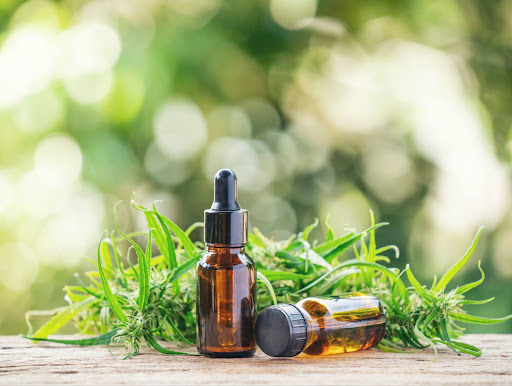
CBD (short for cannabidiol) is a naturally occurring compound found in the hemp plant. Unlike THC, the compound most people associate with cannabis, CBD does not produce an intoxicating effect. That distinction is the reason CBD has become so widely available in oils, gummies, topicals, and other everyday wellness products—people are generally drawn to it for its non-intoxicating profile, not for a psychoactive experience. Hemp itself is a variety of the cannabis plant that's been cultivated for centuries for fiber, seed, and its cannabinoid content.
Beyond that, it's worth being upfront about what we don't know. CBD is a relatively young area of consumer wellness, and the scientific research is still developing. The National Center for Complementary and Integrative Health (NCCIH), part of the National Institutes of Health, notes that research into cannabis compounds—including CBD—is ongoing, with federally funded studies currently examining questions like pain and inflammation. In other words: interest is high, but the evidence base is still being built. We think that's worth knowing before you buy anything.
Where CBD comes from
CBD is extracted from the flowers, leaves, and stalks of the hemp plant using a handful of common methods. CO2 extraction, ethanol extraction, or cold-press oil extraction are the most typical. Once extracted, that raw hemp extract is refined into one of three product types, and understanding the difference is probably the single most useful piece of label literacy you can take from this guide:
- Full-spectrum extract contains CBD along with the plant's other naturally occurring cannabinoids, terpenes, and trace amounts of THC (within the legal hemp limit). Read all about full-spectrum CBD in our blog here.
- Broad-spectrum extract contains CBD plus other cannabinoids and terpenes, but with the THC specifically removed during processing.
- CBD isolate is CBD in its purest form, typically 99%+ pure, with no other plant compounds present.
None of these is objectively "better." They're just different starting points depending on what you're looking for, and reputable brands will tell you plainly which one is in the product you're holding.
How CBD is typically used
CBD products come in a range of forms, and the right one often comes down to personal preference and lifestyle:
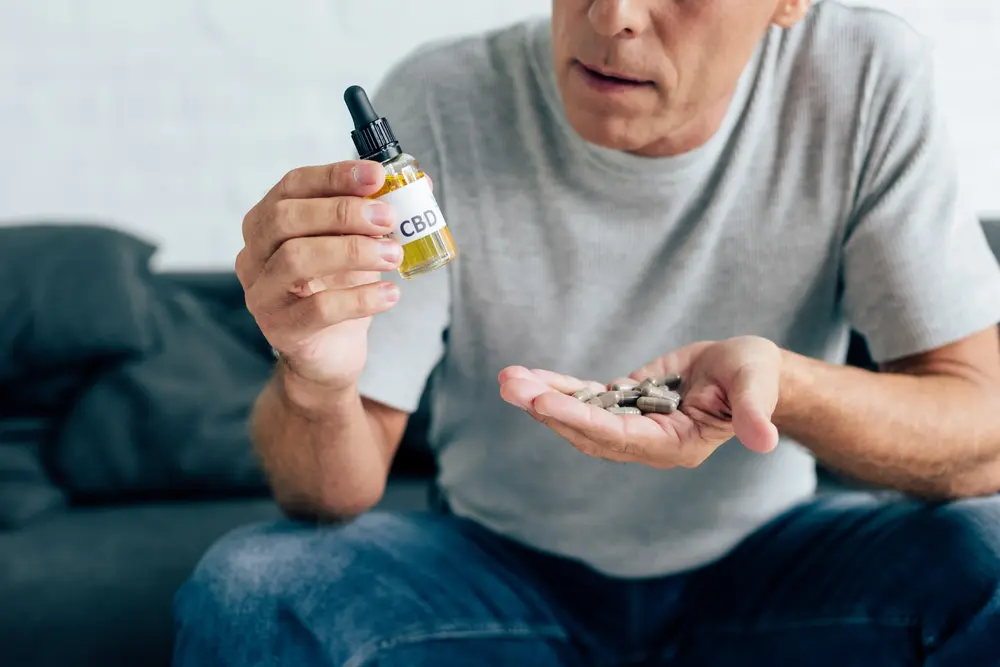
- Tinctures and oils are taken by placing drops under the tongue, which allows for relatively fast absorption compared to some other formats.
- Gummies and capsules are pre-measured, easy to travel with, and popular with people who want a consistent, no-fuss routine.
- Topicals (creams, balms, and salves) are applied directly to the skin and are often chosen by people who want to target a specific area rather than take CBD internally.
- Vapes and other inhaled products offer the fastest onset of any format, though they're not the right fit for everyone.
Many people build CBD into an everyday self-care routine—a few drops in the morning, a gummy before winding down at night, a balm worked into tired hands after a long day. For more information on choosing the right format for your lifestyle, check out our format guide here.
What the research actually says
It's easy to find bold claims about CBD online, so we think it's more useful, and more transparent, to stick to what's actually been established:
- The FDA has approved exactly one CBD-based prescription medication, Epidiolex, for specific, severe forms of epilepsy in patients as young as one year old. That approval is narrow and specific to a drug formulation; it is not a green light for CBD in general, and it doesn't apply to the wellness products sold at retail.
- Outside of that approved use, the FDA has been clear and consistent that it has not evaluated CBD for safety or effectiveness in the wellness products most consumers encounter, and it does not consider CBD an approved food additive or dietary supplement ingredient.
- NIH-funded researchers are actively studying cannabinoids, including CBD, for a range of questions, pain and inflammation among them, but that research is ongoing rather than settled.
We share all of this not to talk anyone out of trying CBD, but because we think an informed customer is a better customer.
How to read a CBD label
This is where a little label literacy goes a long way, and it's arguably more useful than any "top 10 benefits" list you'll find elsewhere online. When you're evaluating a CBD product, look for:
- A Certificate of Analysis (COA). This is a lab report, usually from an independent, third-party lab, confirming what's actually in the product: how much CBD, how much (if any) THC, and whether it's free of contaminants like heavy metals, pesticides, and residual solvents. If a brand can't produce one, that's a red flag.
- Total CBD content, usually listed in milligrams, both for the whole container and per serving. This lets you compare products on an apples-to-apples basis instead of relying on marketing language.
- The extraction and spectrum type, full-spectrum, broad-spectrum, or isolate, clearly stated.
- A full ingredient list, especially important if you have allergies or dietary restrictions.
If a label leans hard on words like "miracle," "cure," or specific disease names, treat that as a warning sign rather than a selling point. Legitimate brands generally stick to describing the product, not making promises about outcomes.
It's also worth glancing at how a brand talks about its sourcing. Where was the hemp grown? Is there any information about the farm or supplier? Transparency on sourcing tends to correlate with transparency everywhere else on the label, which is a reasonable (if imperfect) shortcut when you're comparing unfamiliar brands.
A few practical things to know before you start
- Start low and go slow. This is common, sensible advice across the CBD industry, largely because individual responses vary and there's no universal "right" dose.
- Talk to a healthcare provider first, especially if you take other medications. CBD can interact with certain prescription drugs, and a pharmacist or doctor is best positioned to flag any concerns specific to you.
- CBD products from us are intended for adults 21 and older. We age-gate our CBD products the same way we do the rest of our catalog, and we'd encourage any retailer to do the same.
- Check your state's rules. Hemp-derived CBD is legal at the federal level under current law, but state and local regulations can vary and do change, so it's worth a quick check if you're traveling or shipping products across state lines.
- Quality varies a lot between brands. The CBD market is not tightly regulated the way pharmaceuticals are, which makes third-party testing and transparent sourcing especially important criteria when you're choosing where to buy.
Common questions we hear from first-time buyers
Will CBD get me high? No. CBD does not produce an intoxicating effect. That's a key part of what distinguishes it from THC, and it's why so many people feel comfortable incorporating it into an ordinary daily routine.
Is CBD legal? Hemp-derived CBD is legal under current federal law, though the regulatory landscape continues to evolve and state rules can differ. If you have specific legal questions, especially around travel or shipping, it's worth checking current state guidance directly.
How long does it take to notice anything? This varies significantly by product format, individual body chemistry, and consistency of use, and it's genuinely different from person to person. There's no single timeline we can promise you.
Can I take too much? As with most wellness products, more isn't automatically better. Sticking to the labeled serving size, and adjusting slowly and deliberately, is the approach most commonly recommended.
Start exploring CBD at The Green Dragon CBD
CBD doesn't have to be complicated. At its core, it's a naturally occurring hemp compound that a lot of people have folded into everyday routines, but it's also a product category where labels matter, research is still catching up to public interest, and healthy skepticism serves you well. Our best advice for anyone just getting started: read the label, ask questions, start small, and loop in a healthcare provider if you're managing an existing health condition or taking other medications.
Ready to get started? We carry a range of CBD products from you to choose from. Explore the collection and enjoy fast CBD shipping to your door. Reach out to our professional customer support team with any questions—we’re here to help!


CBD, short for cannabidiol, is a chemical compound found naturally in plants like hemp. CBD works with your body’s endocannabinoid system (ECS). Your ECS helps to maintain healthy functioning of your nervous system, organs, immune system, and more.
CBD appears to be generally well tolerated in many pets when used appropriately, but research is still limited. Side effects like drowsiness, changes in appetite, or digestive upset may occur. Veterinary guidance is strongly recommended before use.